
What Is an Adult Family Home? A Personal Approach to Senior Care
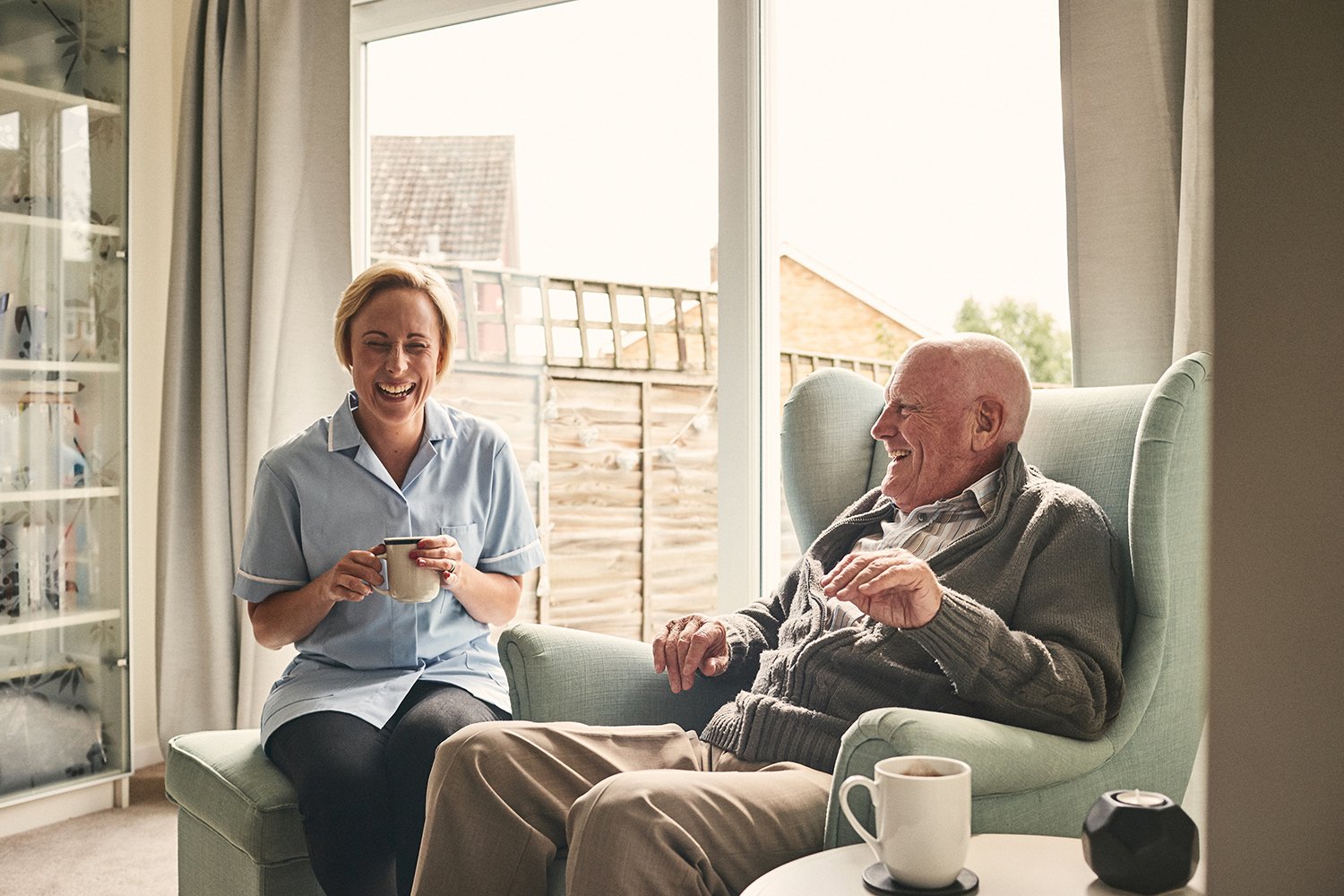
Choosing care for an aging parent or loved one is a personal decision. Families want their loved one to be safe, supported, and treated with patience. They also look for a place that feels warm and familiar, not cold or impersonal.
For many families in Washington, an adult family home offers this balance. It provides daily care and supervision in a home-like setting, where caregivers can really get to know each resident.
In the below video, Reimagine Adult Family Homes founders Billy Sarno and Lila Ghising talk about their vision: improving seniors’ lives with a higher standard of care. Their goal goes beyond meeting physical needs. They want to create a place where everyone feels known, respected, and included.
What Is an Adult Family Home?
An adult family home is a licensed residential home that provides care and support for a small group of adults. According to the Washington State Department of Social and Health Services, these homes provide room, meals, laundry, necessary supervision, personal care, and help with activities of daily living. Most adult family homes care for up to six residents, although Washington law allows the state to approve some homes to serve as many as eight.
One of the most unique features of this model is its smaller setting. Instead of living in a large senior community, residents stay in a real home in a neighborhood. They share meals, keep familiar routines, and caregivers can pay closer attention to changes in mood, comfort, mobility, or health.
Each adult family home is unique. Services, staff, specialties, room setups, and the overall feel can all be different. Families should visit homes, ask questions, and make sure the care matches their loved one’s needs now and in the future.
How Is an Adult Family Home Different From Assisted Living?
Adult family homes and assisted living communities can both provide housing, meals, personal care, and help with daily activities. The most noticeable difference is usually size.
Assisted living communities often have dozens or even hundreds of residents. An adult family home cares for a much smaller group in a home setting. This close environment makes it easier to adjust daily care to each person, instead of asking them to fit into a large facility’s routine.
For seniors who feel overwhelmed by crowds, have memory loss, or just prefer a quiet home, the smaller setting can be easier to manage. It also lets families have more direct contact with the caregivers.
Care That Begins With the Person
Good senior care is not the same for everyone. One person might need help with bathing, dressing, or walking. Another might need help with medication, diabetes care, oxygen, or more supervision because of dementia. Some enjoy daily conversation and activities, while others like a quieter pace.
At Reimagine, care is based on each resident’s health needs, abilities, routines, preferences, and personal history. The team includes trained caregivers and an LPN, with staff on-site 24/7. Depending on the care plan, support can include personal care, medication help, nurse delegation, help with moving, and coordination for more complex needs.
This personalized approach also means noticing details that might not show up on a medical chart. A person’s faith, culture, favorite foods, family traditions, daily routines, and life experiences all help make a new place feel like home.

Dignity, Faith, and a Sense of Belonging
Moving into senior care can be a relief, but it can also bring grief and uncertainty. A resident might leave a longtime home, familiar neighbors, or routines built over decades. Families may feel a mix of worry, guilt, and hope.
Reimagine’s approach to senior care starts with a simple belief: everyone deserves dignity. Residents keep their identity, even as they need more support. Their background and faith are respected, their preferences matter, and they are welcomed into a real household community.
The team also uses a trauma-informed approach. This means they understand that past experiences can shape how someone reacts to change, touch, noise, new routines, or losing independence. Care is given with gentleness, respect, and a focus on what helps each resident feel safe.
The Comfort of Good Food and Familiar Routines
Food is important for health, but it also brings comfort, culture, memories, and connection. Reimagine serves fresh meals and snacks, tailored to each resident’s preferences, dietary needs, and doctor’s advice. Meals can be adjusted for diabetic, low-sodium, soft-food, or other special diets as needed.
Daily life has structure but is not too strict. Depending on what they like and can do, residents might enjoy conversation, prayer, music, light exercise, time outside, animals, gardening, family visits, or quiet time. At the Puyallup home, the five-acre farm lets residents connect with nature, gardens, chickens, goats, and fresh food grown there.
These everyday moments matter. A favorite breakfast, a familiar song, or time outdoors can help a resident feel grounded and connected to the world around them.
Personalized Support for Memory Care Needs
Adults with Alzheimer’s or other types of dementia often do better in calm surroundings, with steady routines and caregivers who understand how memory loss affects behavior and communication.
Reimagine offers personalized support for residents with dementia and Alzheimer’s, based on each person’s needs and what the home can provide. Familiar activities, reassurance, music, sensory experiences, animals, time outside, and a gentle daily routine all help create comfort and meaningful engagement.
Since dementia is different for everyone, families should talk openly with the care team about symptoms, behaviors, mobility, health issues, and how needs might change. The right home should support the resident now and plan carefully for the future.
Why Consistent Senior Care Matters
Senior living offers more than just nearby help. Regular meals, medication support, social time, supervision, and access to caregivers can make daily life more stable.
Broader senior housing research supports that connection. A 2025 analysis from the National Investment Center for Seniors Housing and Care reported that emergency department visits among senior housing residents declined by 14 percent from their first year of residency to their third. National survey findings cited by the American Health Care Association and National Center for Assisted Living found that 91 percent of assisted living residents said they felt safer than living on their own.
These studies looked at senior living in general, not just Washington adult family homes, and no care setting can promise a certain result. Still, the findings show why attentive care, good food, health support, safety, and companionship matter as people get older.
Reimagining What Senior Care Can Feel Like

Billy Sarno and Lila Ghising started Reimagine Adult Family Homes because they believe seniors deserve more than just basic care. They should have beautiful surroundings, strong support, good food, meaningful relationships, and a home where they feel they belong.
Reimagine has locations in Puyallup and Port Orchard, and a Browns Point home in Northeast Tacoma is being developed. Availability and opening dates are different for each home, so families should contact the team for the latest information.
If you are looking for an adult family home in Puyallup, Port Orchard, or Northeast Tacoma, the best way to see the difference is to visit in person. Come to a Reimagine home, meet the care team, ask questions, and see if it feels right for your loved one.
We would love to welcome you for a visit and show you what a more personal approach to senior care can look like.
We'd Love to Meet You!
Reading about adult family homes only goes so far. The best way to know if it's the right next step is to walk through one.
Reach out to Reimagine AFH if you have any questions, or to schedule a visit at the Puyallup or Port Orchard home! Meet the caregiving team, and ask the questions that matter most for your family.